
Why Clogged Gutters Are a Foundation’s Worst Enemy
Before looking at how to block debris, it’s important to understand what happens when gutters fail. Your roof sheds thousands of gallons of water during a typical Maryland downpour. If your gutters are choked with leaves, that water overflows and pools directly against your home’s foundation. Over time, this leads to cracked foundation walls, flooded basements, rotted fascia boards, and mold growth in your home. Spending a little time or money on your gutters isn't just about avoiding a chore—it is about protecting the structural integrity of your entire home.

Clogged gutters like this force rainwater to overflow, risking foundation damage and flooded basements
As a home inspector, I see every type of gutter guard on the market. Clients often ask me: "Which system is actually worth the investment?" To give you the most unbiased answer, we look at real-world performance alongside long-term testing data from authoritative consumer advocates like Consumer Reports, This Old House, and the Good Housekeeping Institute. To be clear: ladder work of any kind is very dangerous, and I always recommend a professional with the experience and training to do it safely.
If you are looking to protect your home's foundation from water damage while minimizing expensive maintenance, here is how the primary gutter protection systems stack up.
1. Stainless Steel Micro-Mesh (Top Rated)
Micro-mesh systems consist of a fine stainless steel screen that allows water through but blocks even the tiniest debris, like pine needles and roof shingle grit.
The Verdict: This technology consistently takes the top spot. Consumer Reports and This Old House field tests regularly rate micro-mesh systems—such as LeafFilter (professionally installed) and Gutterglove/Raptor (DIY)—as the top performers for blocking debris while handling torrential downpours.
Pros: Highest filtration efficiency; durable materials; handles heavy rain well.
Cons: Higher upfront cost for professional installation.
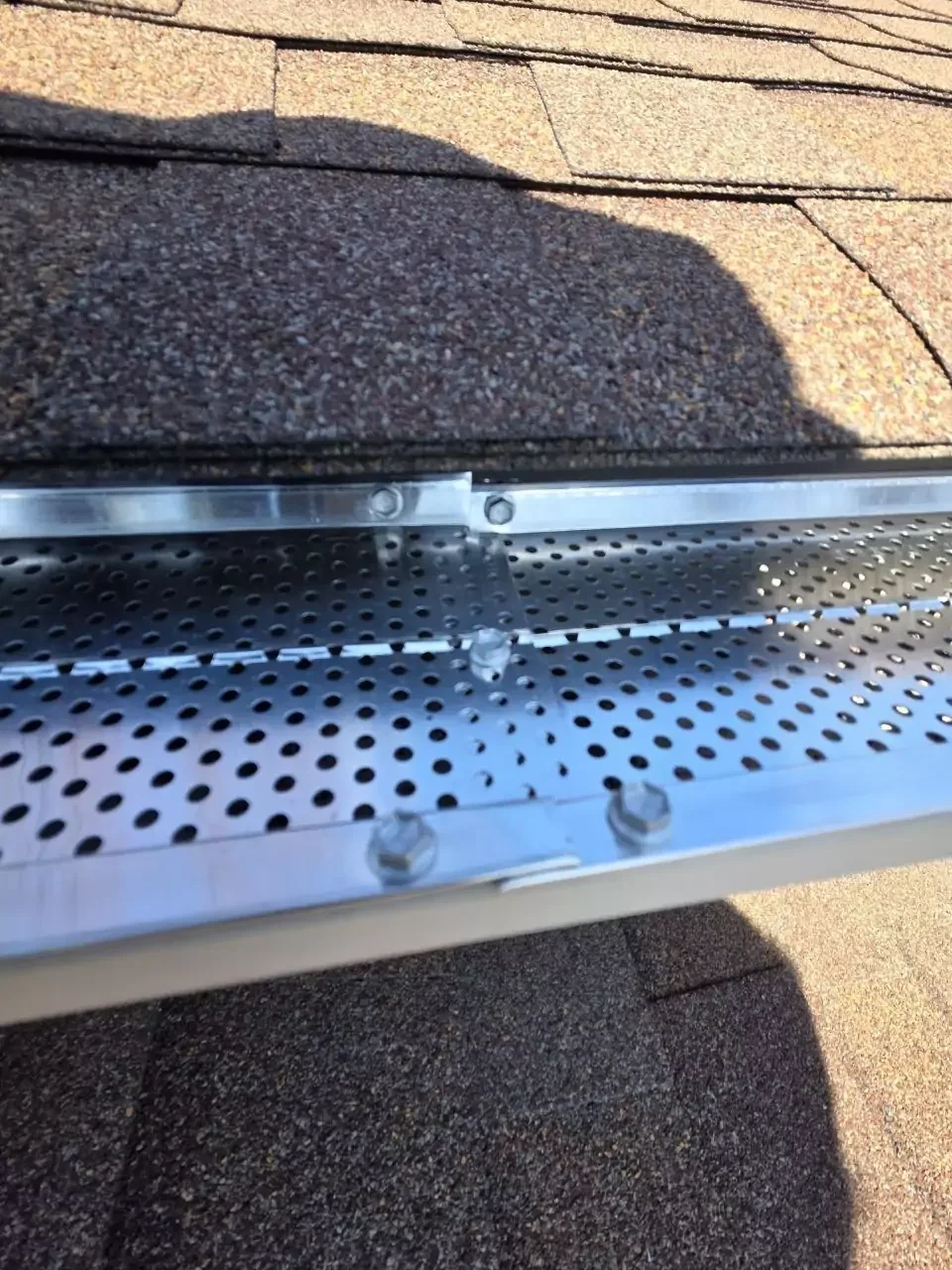
A stainless steel micro-mesh system (like LeafFilter) designed to filter out fine debris while maintaining optimal water flow.
2. Reverse-Curve / Surface-Tension Systems
These are solid covers (like Gutter Helmet) where water clings to the curved nose and flows into the gutter, while leaves are supposed to shoot off the edge.
The Verdict: These systems are highly durable and excellent at shedding large leaves. However, testing shows they can sometimes overshoot water during extreme downpours and can allow small debris or pests into the opening over time.
Pros: Very sturdy; rarely clog from the inside.
Cons: Can fail in heavy downpours; visible on the roofline; attractive to nesting wasps. Your home inspector cannot see into the gutter to make sure it’s clear.
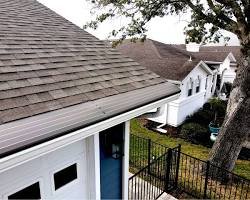
A reverse-curve surface tension system that allows rainwater to cling to the hood while channeling large leaves over the edge.
3. Screen and Perforated Guards
Typically made of plastic or aluminum, these basic screens snap or screw onto the gutter.
The Verdict: A budget-friendly DIY option highlighted by Consumer Reports for value, but they require more upkeep. Small debris can easily get caught in the openings, leading to seeds sprouting in your gutters. I see this when inspecting roofs all the time.
Pros: Inexpensive; easy to install.
Cons: Fine debris gets through; requires frequent manual cleaning.
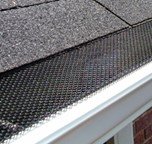
A budget-friendly aluminum screen system that snaps onto the gutter to block large debris but requires manual clearing of smaller organic material.
4. Foam Inserts
Foam wedges fill the gutter completely, theoretically allowing water to flow through while keeping leaves out.
The Verdict: Generally not recommended by industry experts for long-term use. Debris frequently becomes trapped in the foam, turning the guard itself into a blockage that is incredibly difficult to clean. I tried this myself, and found that they clogged too quickly, and cleaning them was too much work. I just included this type to round out the selections. I do not recommend them.
Pros: Cheap and incredibly easy to install.
Cons: Traps sludge and seeds; reduces gutter water capacity.
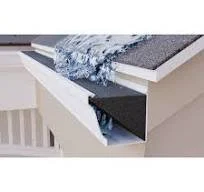
A polyurethane foam wedge insert that sits entirely inside the gutter channel. While it is incredibly easy to install, it tends to act like a sponge for fine organic debris and roof shingle grit over time.
The Home Inspector’s Bottom Line
According to aggregate testing data from Consumer Reports and hands-on industry evaluations, stainless steel micro-mesh offers the best balance of water flow and debris protection.
However, no matter what a salesperson promises, no gutter guard is 100% maintenance-free. Wet leaves can still mat down on top of any system, and pollen or shingle grit will eventually require a quick rinse. Check your system during a heavy rain at least once a year to ensure it's doing its job!
Henry “Sonny” Toman
1st American Home Inspections
443-388-2410
Serving our neighbors in:
Anne Arundel, Howard, Montgomery, Prince George's, and Baltimore Counties.